Aviation Mobile Apps Announces Pilot Email for the Aircraft Communities Pilots Call Home

CAPE CANAVERAL, Fla., May 11, 2026 - Aviation Mobile Apps, LLC today announced Pilot Email, a new aviation mailbox service that lets pilots choose a real email address on one of nine pilot-community domains.

A pilot’s email address should feel like it belongs in the same life as the logbook, headset, and hangar key. For years, pilots have carried usernames that say nothing about the flying community they identify with. Pilot Email changes that with memorable addresses like yourname@cessnapilots.com, yourname@piperpilots.com, or yourname@cirruspilots.net.

This is not just forwarding. Each account is a real mailbox with webmail, secure IMAP/SMTP support, and setup instructions for Apple Mail, Outlook, iPhone, iPad, Android, and other standard mail clients. The service starts with 5 GB of mailbox storage and is designed for the everyday messages that follow a pilot everywhere: hangar coordination, maintenance notes, flight club conversations, event registrations, classifieds, and the professional emails where a generic address feels forgettable.

YOUR AIRPLANE ALREADY SAYS SOMETHING ABOUT YOU

Most email addresses are disposable. Pilots are not. The airplane you fly, the type club you follow, the ramp you call home, and the community you learn from all become part of your aviation identity. A pilot email address gives that identity a place in every message you send.

It is a small detail, but pilots know small details matter. The right address is easier to remember, cleaner on a business card, more personal in a cockpit group chat, and more fitting when you are contacting an instructor, mechanic, airport manager, buyer, seller, or fellow owner.

CHOOSE THE COMMUNITY THAT FITS YOUR FLYING

Pilot Email is available for:

SIMPLE PRICING, PRACTICAL SETUP

Plans are available at $36 for one year, $60 for two years, or $150 for five years. Pilots choose a domain, check mailbox-name availability, verify a recovery email, and complete signup online.

Aviation Mobile Apps built Pilot Email for the same reason it builds aviation tools: pilots like practical products that respect how they actually fly, plan, communicate, and identify themselves.

CHOOSE YOUR PILOT EMAIL ADDRESS

Start here: https://www.aviationmobileapps.com/pilot-email

Aviation Mobile Apps, LLC is not affiliated with aircraft manufacturers, type clubs, or owner associations. Aircraft and community names are used only to identify pilot mailbox domain options.
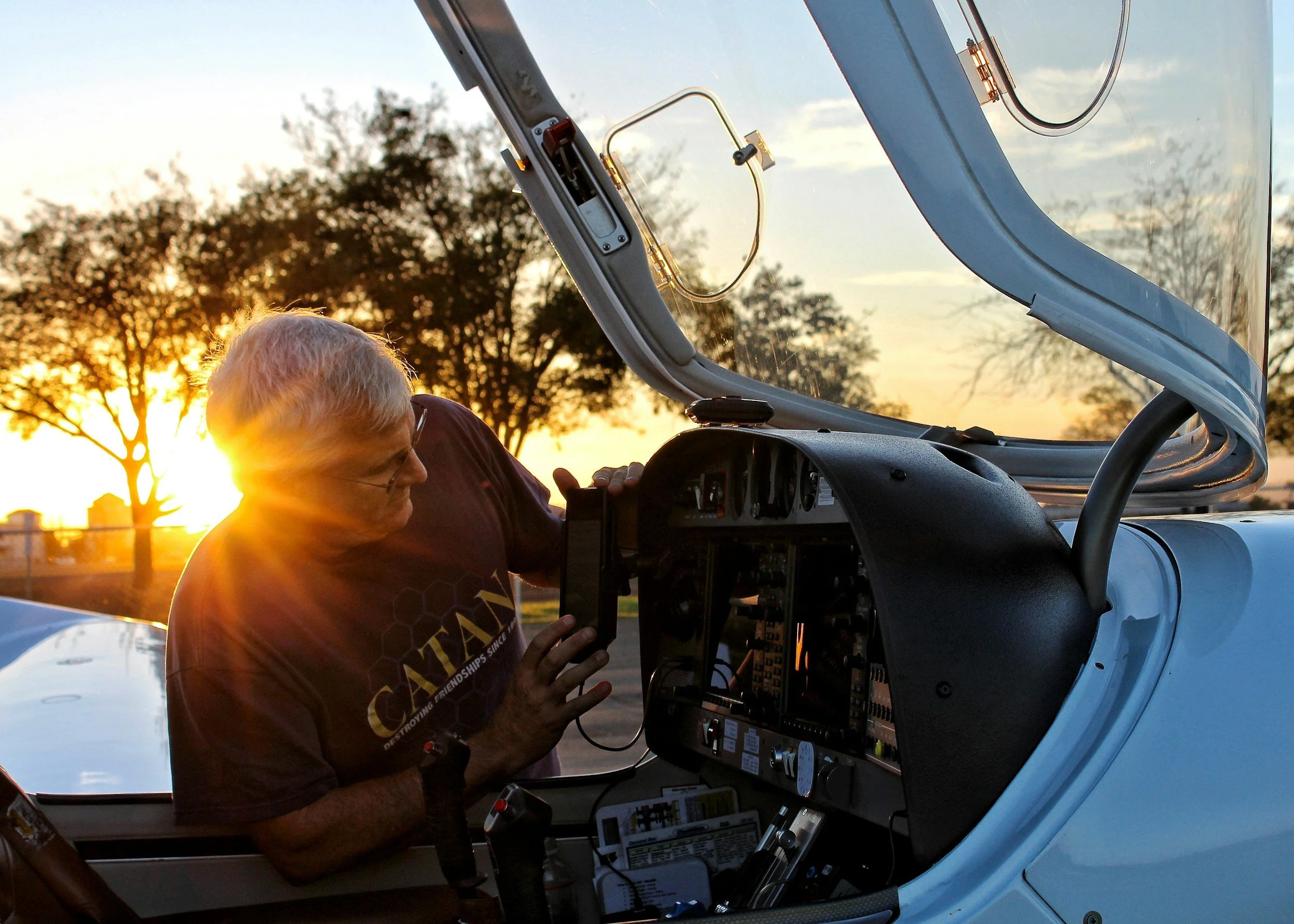
Pilot working in a small aircraft cockpit at sunset

Private Pilot Oral Prep: Turn Weather Into a Go/No-Go Decision

Stop memorizing weather. Start defending a decision.

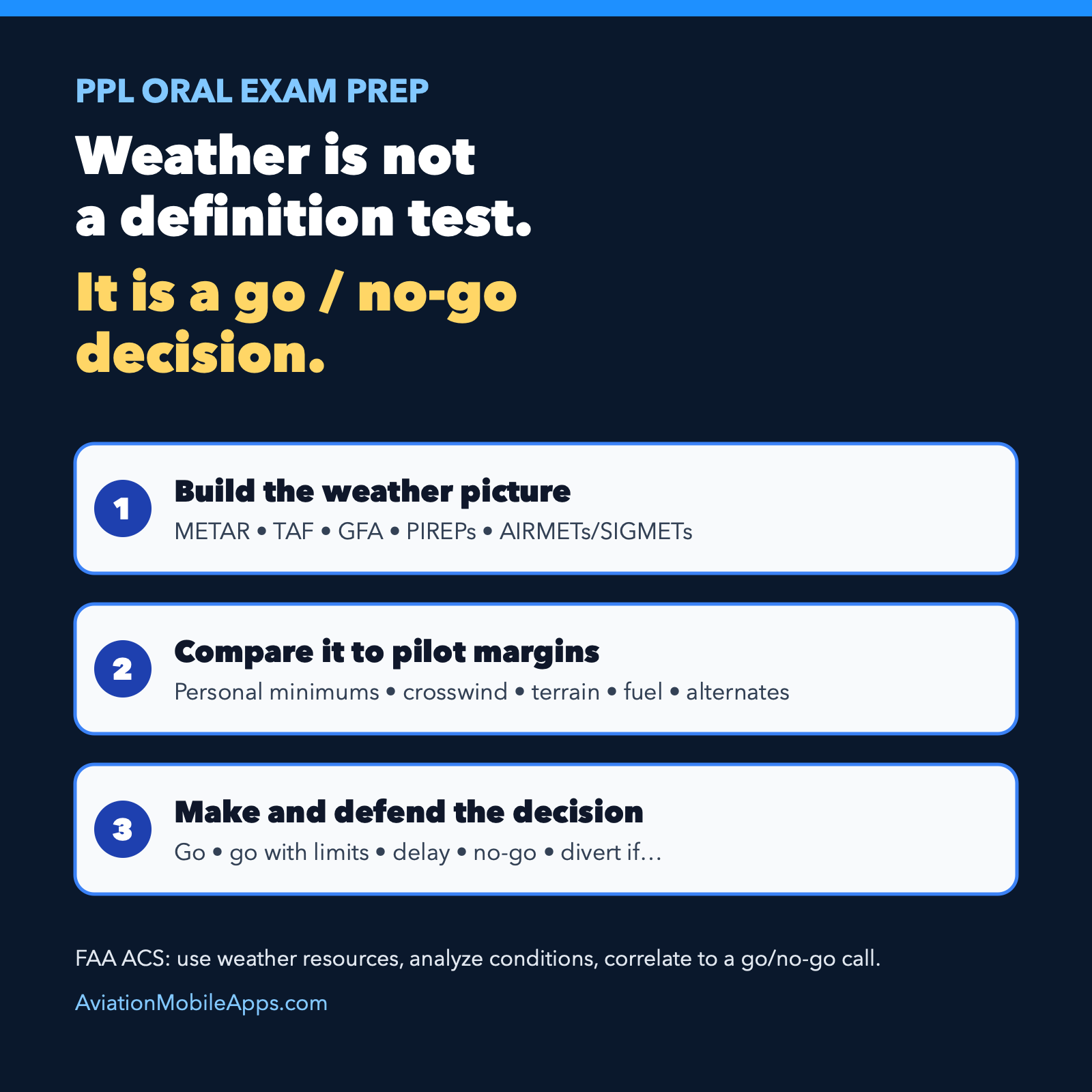
If you are preparing for a Private Pilot oral, do not study weather as a pile of definitions. Study it as a go / no-go decision.

The FAA Private Pilot Airplane ACS lists Weather Information as a practical-test task. The applicant is expected to use available aviation weather resources, analyze conditions, and correlate that information into a go/no-go decision.

A strong oral answer sounds less like “a TAF is…” and more like: “Here is the weather picture, here are the risks, here are my personal limits, and here is my decision.”

A simple PPL oral weather flow

1. Build the weather picture

Use METARs, TAFs, GFA, winds aloft, PIREPs, AIRMETs/SIGMETs, and convective outlooks. Do not just read them—translate them into what the flight will feel like.

2. Compare it to pilot margins

Ceiling, visibility, crosswind, gust spread, terrain, fuel stops, alternates, daylight, fatigue, and recent experience all matter.

3. Name the risk plainly

Examples: lowering ceilings near destination, gusts near demonstrated crosswind, convective activity along the route, turbulence beyond passenger comfort, or no good divert option.

4. Make the call

Say one of four things: go, go with limits, delay, or no-go. A DPE can work with a conservative decision. They cannot work with vague confidence.

5. Give your trigger

Before takeoff, decide: “I will divert if ceilings drop below ___, visibility falls below ___, groundspeed/fuel reserve drops below ___, or turbulence exceeds ___.”

Bookmark drill

Before your next mock checkride, take one real cross-country weather briefing and write a three-line answer:

  • Weather picture:

  • Risk:

  • Decision + divert trigger:

FAA ACS source: Airman Certification Standards

RNAV(RNP) Holding in High Winds: The Variable Turn Rate (VTR) Method (and What Your FMS Really Does)

RNAV(RNP) Holding in High Winds: The Variable Turn Rate (VTR) Method (and What Your FMS Really Does)

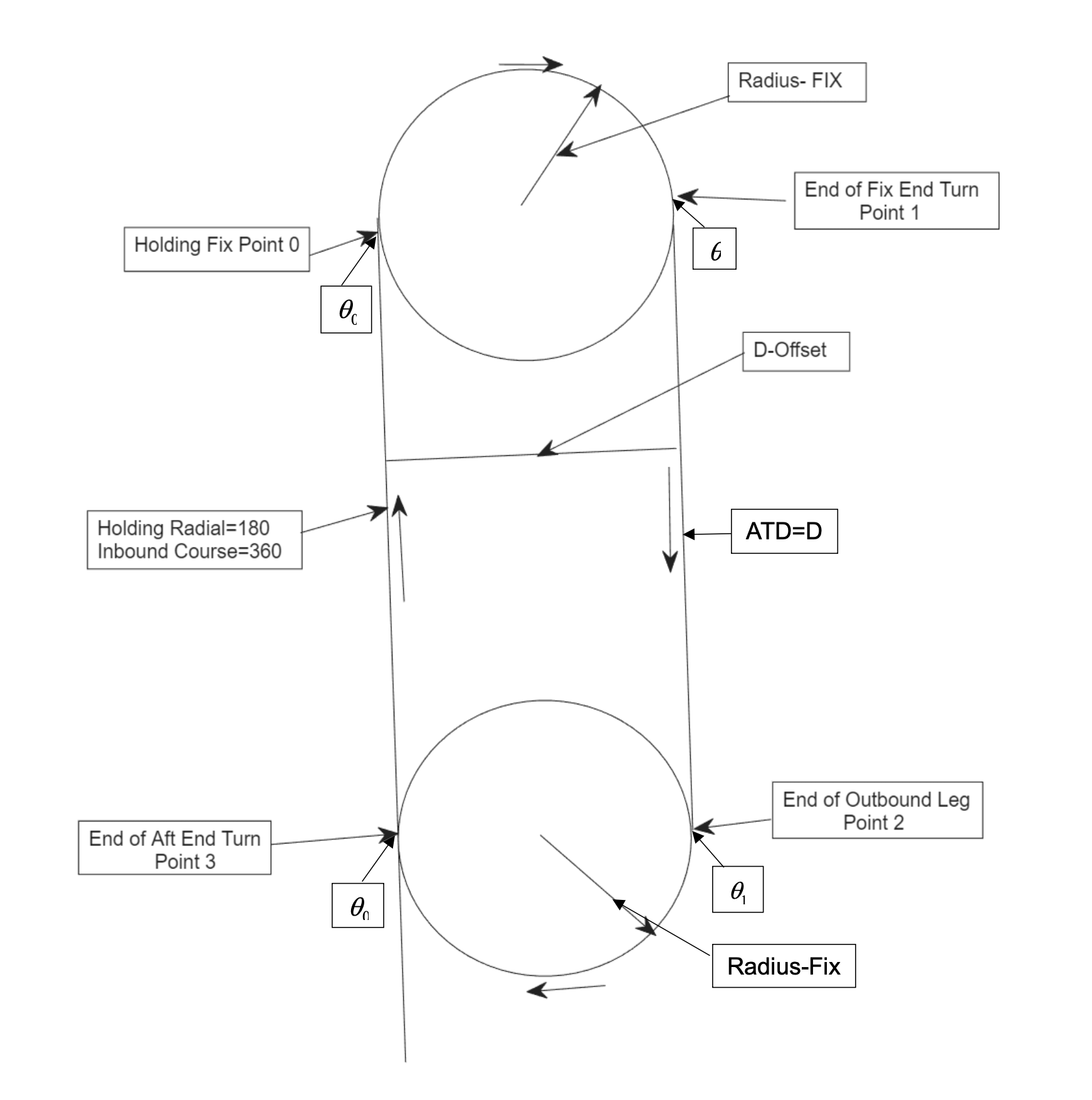
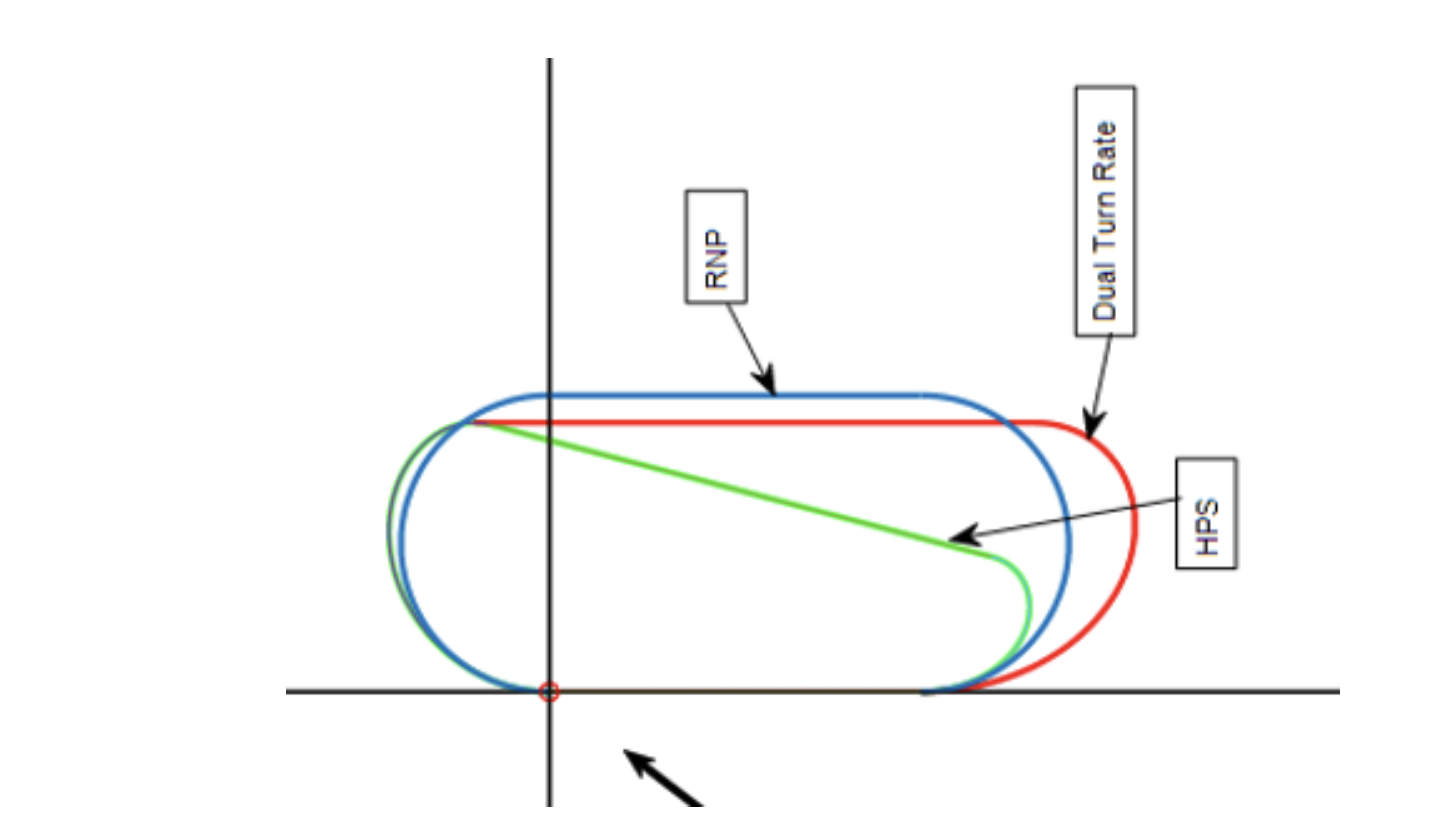
When winds get strong, a “normal” hold can stretch, skew, and chew up protected airspace—but RNAV(RNP) RF-style turns can keep the ground track racetrack-clean by varying bank angle continuously. This paper walks through the VTR method, the math behind it, and what real-world FMS/autopilot behavior suggests. Download the PDF to see the figures, example case, and validation discussion.

Holding Pattern Computer-V3.0

Holding Pattern Computer-V3.0

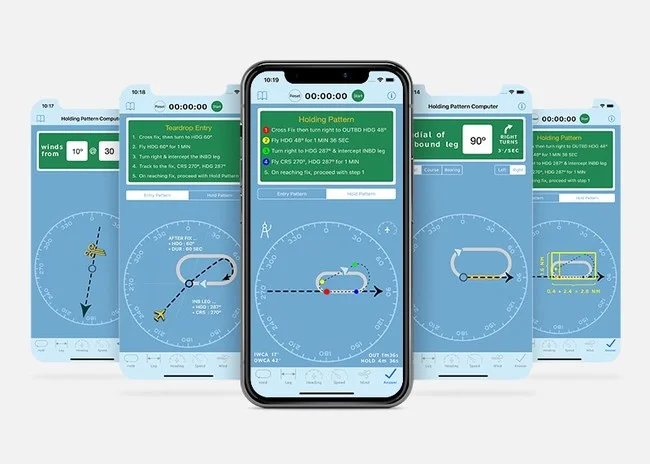
Elevate your flying experience with Version 3.0 of our holding pattern app, now featuring intuitive turn-by-turn directions for entry procedures, enhancing navigational precision and pilot confidence. Coupled with advanced High Precision Entry (HPE) and Holding Pattern Solution (HPS) algorithms, this update significantly reduces pilot workload and optimizes flight path accuracy. The innovative Hybrid Parallel/Teardrop entry method, alongside refined dialog boxes for crucial flight data input, guarantees efficient airspace management and seamless integration into your flying routine.

New Patent-Pending Analytic Solution Added to Popular Holding Pattern App Reducing Pilot Workload

New Patent-Pending Analytic Solution Added to Popular Holding Pattern App Reducing Pilot Workload

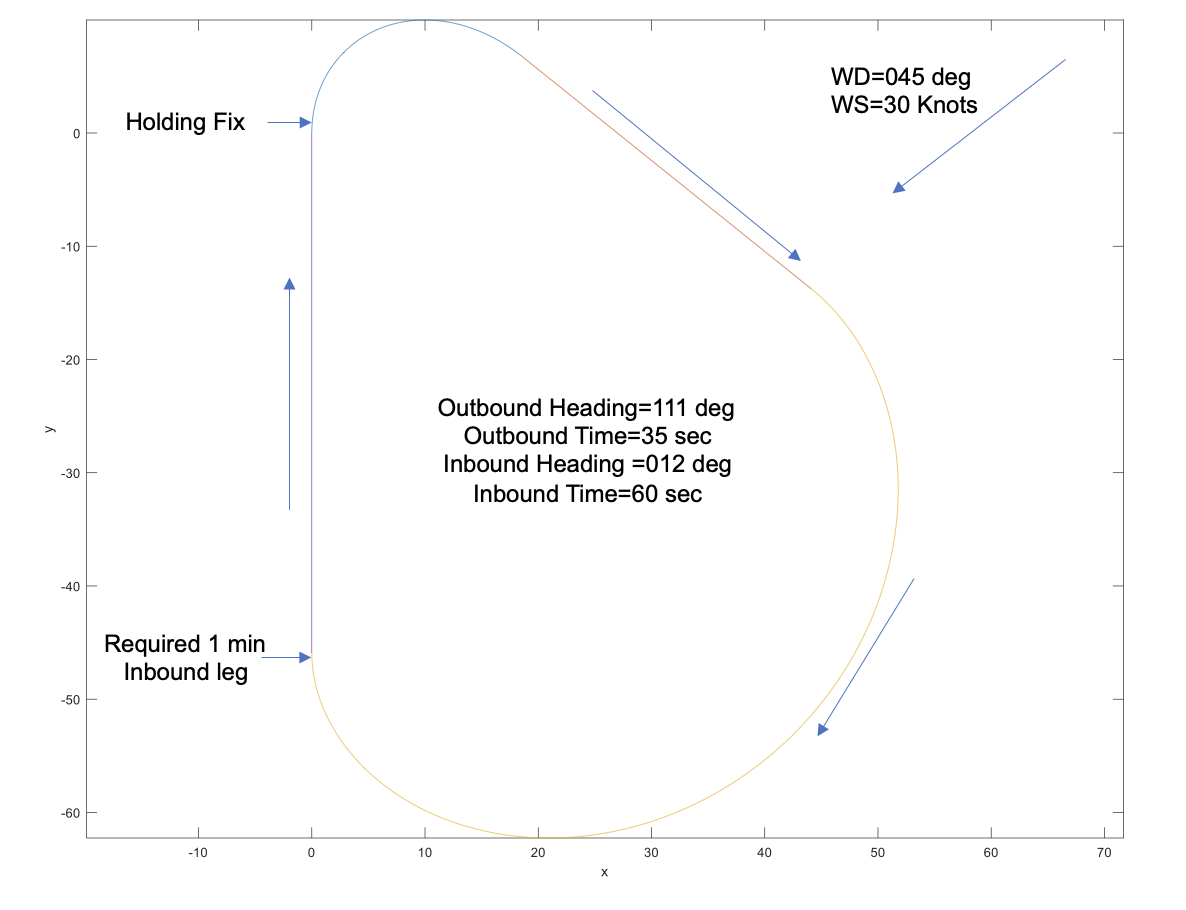
We excited to announce version 2.0 of our popular Holding Pattern Computer, now with a patent-pending analytic solution that for the first time, calculates everything a Pilot will need to roll out precisely onto the inbound leg and fly it for exactly the prescribed time or distance, regardless of wind direction or speed.

Engility names Aviation Mobile Apps and Kelly Technology as 2018 winners of the Innovative GEOINT Application Provider Program Grand Challenge

Engility names Aviation Mobile Apps and Kelly Technology as 2018 winners of the Innovative GEOINT Application Provider Program Grand Challenge

Robert Cardillo, NGA director, and Lynn Dugle, Engility CEO, presented the 2018 IGAPP Grand Challenge $20,000 grand prize to Bill DeWeese, CEO of Aviation Mobile Apps.

New app helps IFR pilots calculate holding patterns

New app helps IFR pilots calculate holding patterns

It’s fair to say that instrument pilots are most confident with holding procedures on the day of their instrument rating checkride, and the knowledge and skills slowly fade over time as unexpected holding is rarely required during normal IFR flying. Sure, many RNAV instrument approaches are now using holding patterns as the primary method for course reversal, but there isn’t much for the pilot to think about since the GPS does all the work.

How To Use Holding Pattern Computer Now On Prezi

How To Use Holding Pattern Computer Now On Prezi

This short Prezi presentation will highlight the steps in calculating a holding pattern.

Prezi is a visual storytelling software alternative to traditional slide-based presentation formats. Prezi presentations feature a map-like, schematic overview that lets users pan between topics at will, zoom in on desired details, and pull back to reveal context.