
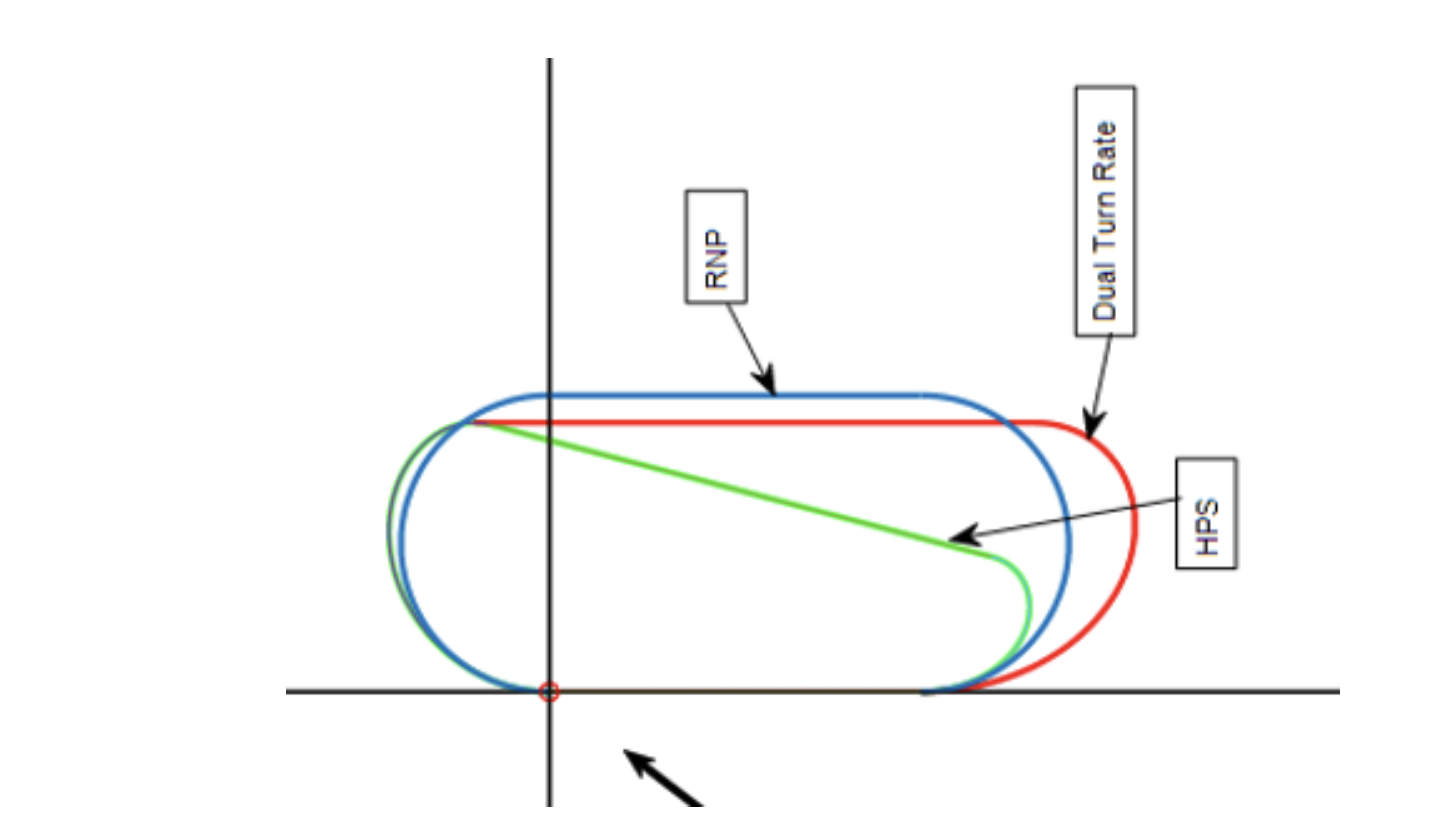
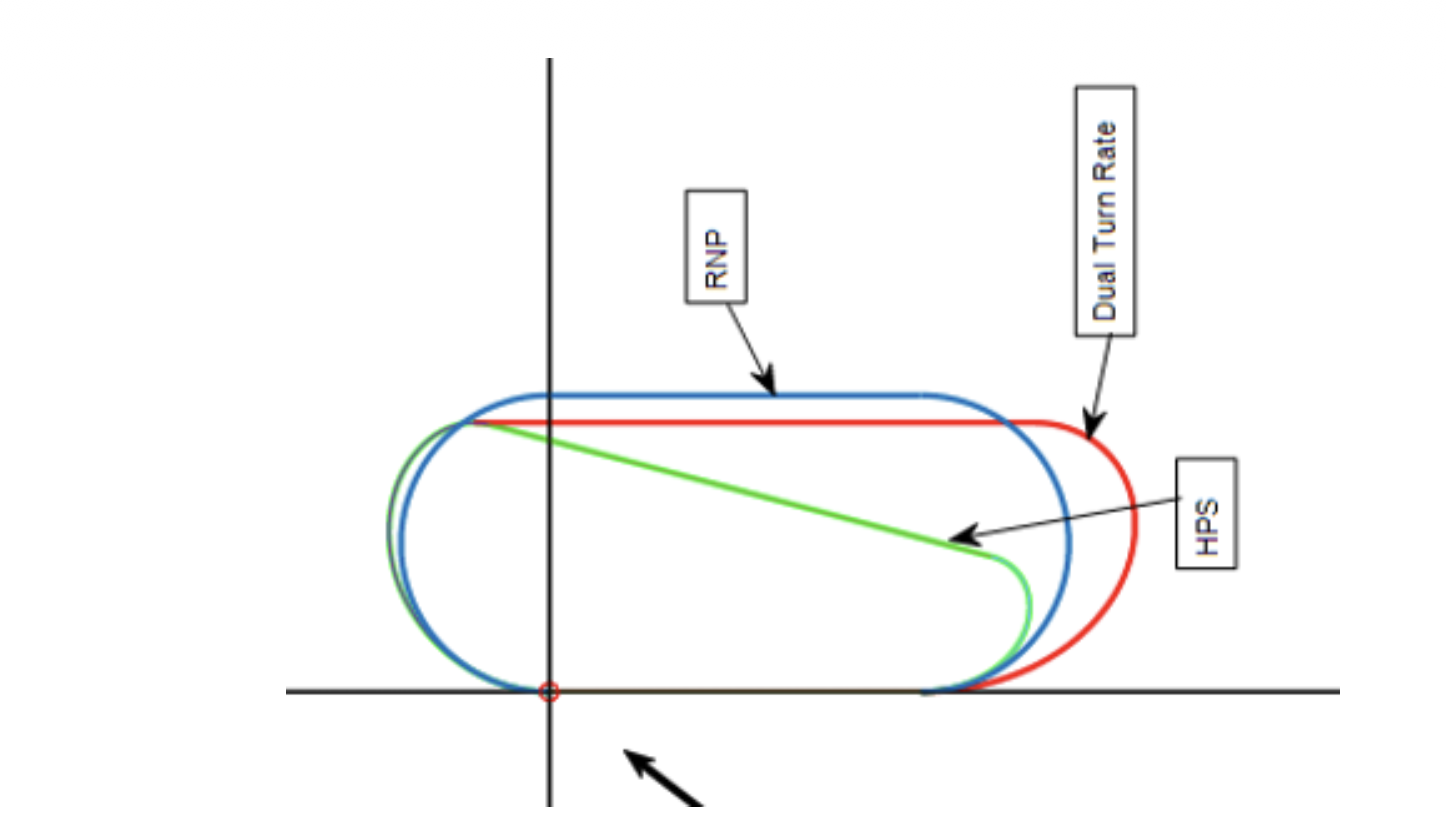
Holding patterns look simple on paper—until the wind starts stretching turns, twisting outbound legs, and turning “rules of thumb” into bad habits. This white paper breaks holding down into three distinct ways to fly the turns—and shows exactly how each method behaves as wind speed and direction change.
Inside, you’ll see a clear comparison of:
STR (Single Turn Rate) holds, where both turns use the same rate/bank—and why stronger winds can make the outbound leg non-parallel and surprisingly hard to fly precisely.
DTR (Dual Turn Rate) holds, a practical hand-flying option that keeps inbound/outbound legs parallel by using standard-rate on one turn and a reduced rate on the other (with guidance on what to expect as winds increase).
VTR (Variable Turn Rate / constant radius) holds as flown by FMS/RNAV systems, where the ground track stays “racetrack-clean,” but bank angle varies continuously—plus why this method can consume the most protected airspace at high TAS and stronger winds.
The paper includes real wind case examples (headwind, tailwind, crosswind, quartering), figures, and concise equation summaries—along with a practical recommendation for what to use when you’re hand-flying versus letting RNAV/autopilot do the work.
Want the charts, example patterns, and the actual equations you can use to compute outbound timing / turn behavior? Download the full PDF here: Holding Paper ThGl 122525.pdf